
The biggest misconception in film today isn’t about streaming, AI, or the future of theaters.
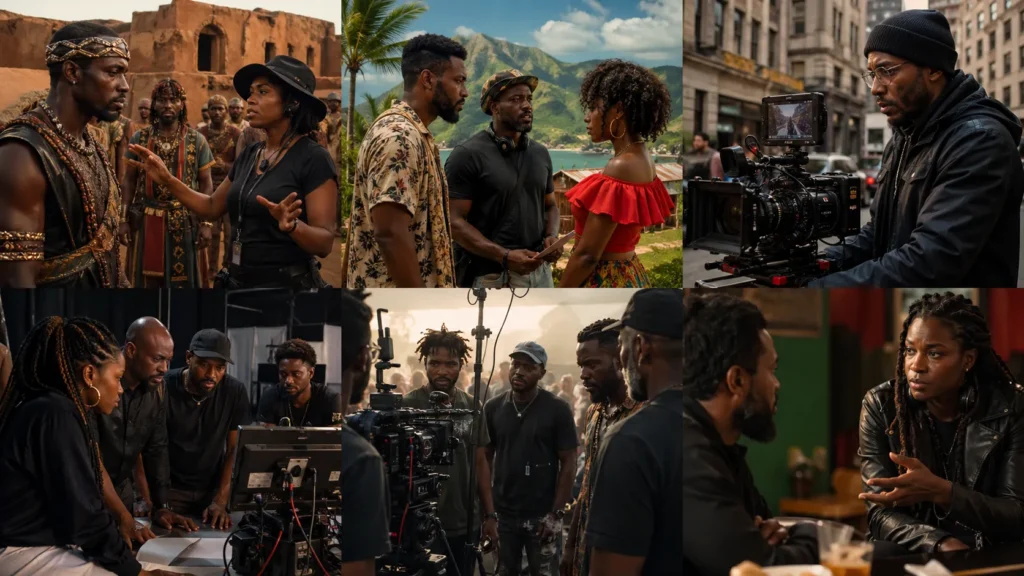
It’s the industry’s persistent belief that Black film is a category—when in reality, it is a global storytelling ecosystem shaping how the entire business moves.
Black films continue to outperform expectations across genres and platforms, yet still face disproportionate barriers to financing, marketing investment, and long-term ownership.
One of the film industry’s biggest mistakes is continuing to treat Black film as a narrow category, when it has long operated as a global storytelling ecosystem.
Nea Simone | Bespoke Media Marketing
The film industry has never been static. Every major shift from silent film to sound, theatrical dominance to television, cable to streaming, and now AI, Web3, and direct-to-audience models has forced the business to reconsider how stories are made, financed, distributed, marketed, and valued.
But the most meaningful evolution is not only technological.
It is cultural.
The question is no longer simply how stories reach audiences. The deeper question is: whose stories are treated as commercially viable, globally resonant, and worthy of investment?
Black storytelling has become one of the clearest answers.
The broader cultural marketplace is shifting, but the global Black diaspora offers one of the clearest examples of how audience demand, identity, distribution, and capital are reshaping the future of film.
From Marginalization to Market Influence
For much of cinematic history, Black voices were excluded, distorted, or narrowly represented through stereotypes. And yet, even under those constraints, Black filmmakers built language, form, audience, and legacy.
Oscar Micheaux and the early race films created independent pathways outside Hollywood’s exclusionary systems. Later, filmmakers including Julie Dash, Charles Burnett, Kathleen Collins, Spike Lee, John Singleton, Kasi Lemmons, Ayoka Chenzira, and others expanded what Black cinema could hold: interiority, beauty, politics, family, desire, spirituality, experimentation, humor, grief, and resistance.
Ayoka Chenzira’s work is especially important in this lineage. As a director, animator, experimental filmmaker, and pioneer of Black independent cinema, her body of work reminds us that Black cinematic innovation has never been new. It has often simply been underfunded, under-distributed, and under-recognized.
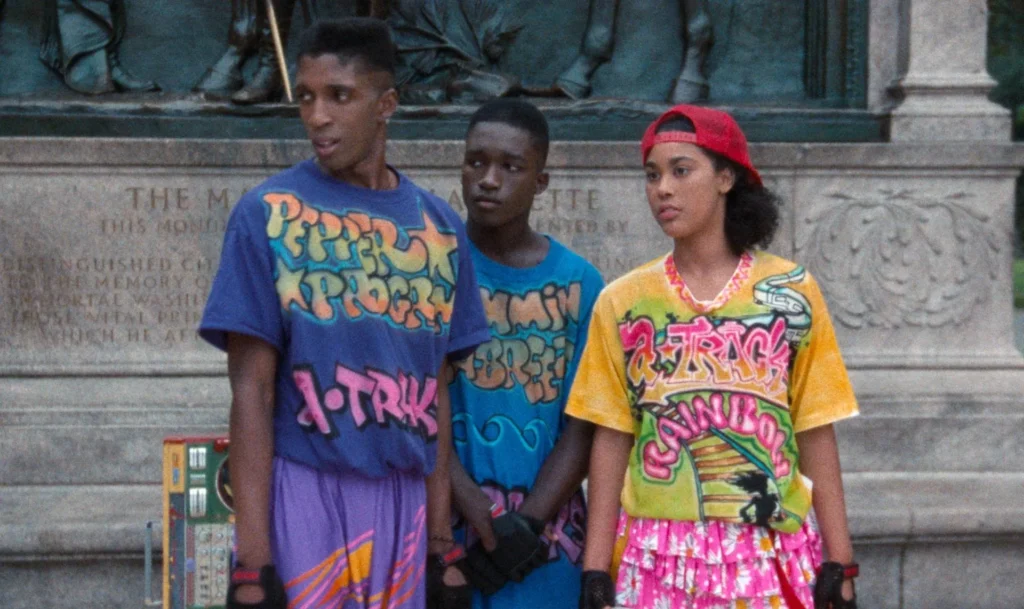
What the industry once treated as “niche” has proven to be foundational.
Cultural Impact Meets Commercial Proof
The box office has repeatedly confirmed what Black audiences and culturally fluent marketers have long understood: specificity travels.
Black Panther became a global phenomenon and proved that Black-centered world-building, mythology, and Afrofuturist imagination could operate at franchiseable blockbuster scale.
Get Out reshaped the horror genre and demonstrated the commercial power of socially conscious genre storytelling.
Sinners continued that momentum, reinforcing that original Black-led storytelling can still drive theatrical urgency in an era often dominated by franchises and pre-sold IP.
And franchises like The Equalizer, led by Denzel Washington and directed by Antoine Fuqua, further illustrate that Black-led action, thriller, and franchise storytelling can deliver sustained audience demand across multiple films.
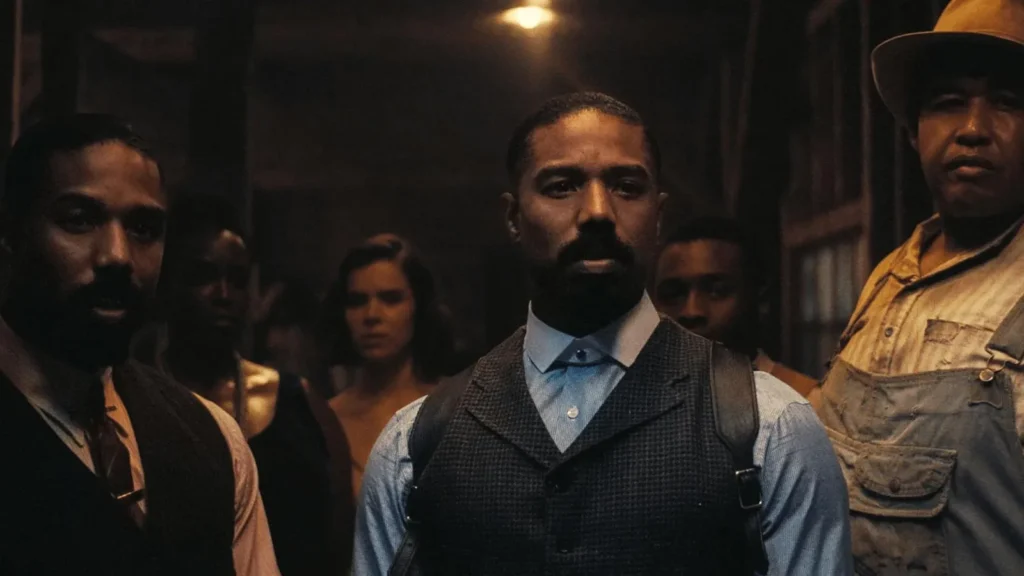
The evidence is clear: Black stories are not risky because they are Black. The risk often lies in underestimating the audience, undercapitalizing the campaign, or misunderstanding the market.
Black Storytelling Is Not One Genre
One of the industry’s persistent mistakes is treating Black film as a narrow category.
Black storytelling moves across every form: documentary, horror, comedy, romance, thriller, animation, prestige drama, historical epic, music film, faith-based cinema, speculative fiction, Afrofuturism, experimental cinema, political drama, and family entertainment.
From 13th to Summer of Soul, from Moonlight to Queen & Slim, from The Woman King to They Cloned Tyrone, from Black Panther to Sinners, from independent documentaries to global streaming series.
One of the industry’s persistent mistakes is treating Black film as a narrow category.
The Globalization of Black Narratives
The future of Black storytelling is diasporic.
African, Caribbean, Afro-European, Afro-Latin, and African American narratives are increasingly influencing global taste, production models, festival conversations, streaming strategy, and distribution appetite.
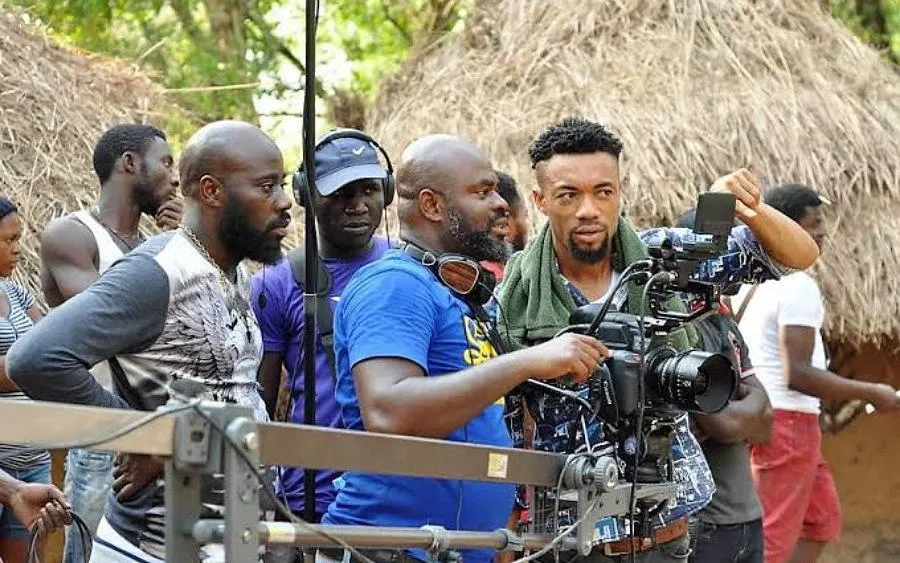
Nollywood has already proven the scale of African audience demand and production capacity. Caribbean filmmakers are telling stories rooted in migration, memory, music, colonial history, spirituality, and identity. African and diasporic creators are reshaping genre through horror, fantasy, documentary, romance, political drama, and family storytelling.
This matters because the global Black audience is not monolithic. It is layered, multilingual, culturally specific, and commercially powerful.
For marketers, distributors, and investors, this requires more than general representation language. It requires cultural intelligence, audience segmentation, territory awareness, and campaign strategy that understands how stories move differently across communities and markets.
Distribution Is Expanding Beyond Traditional Gatekeepers
The evolution of Black film is not only happening at the level of content. It is happening at the level of distribution access and audience formation.
Platforms like Tubi didn’t just expand access, they exposed how much audience demand the traditional system had been leaving on the table. By removing subscription barriers and embracing a high-volume, ad-supported model, Tubi opened the door for films and filmmakers that may not have fit neatly into traditional theatrical, prestige, or subscription-streaming pipelines.
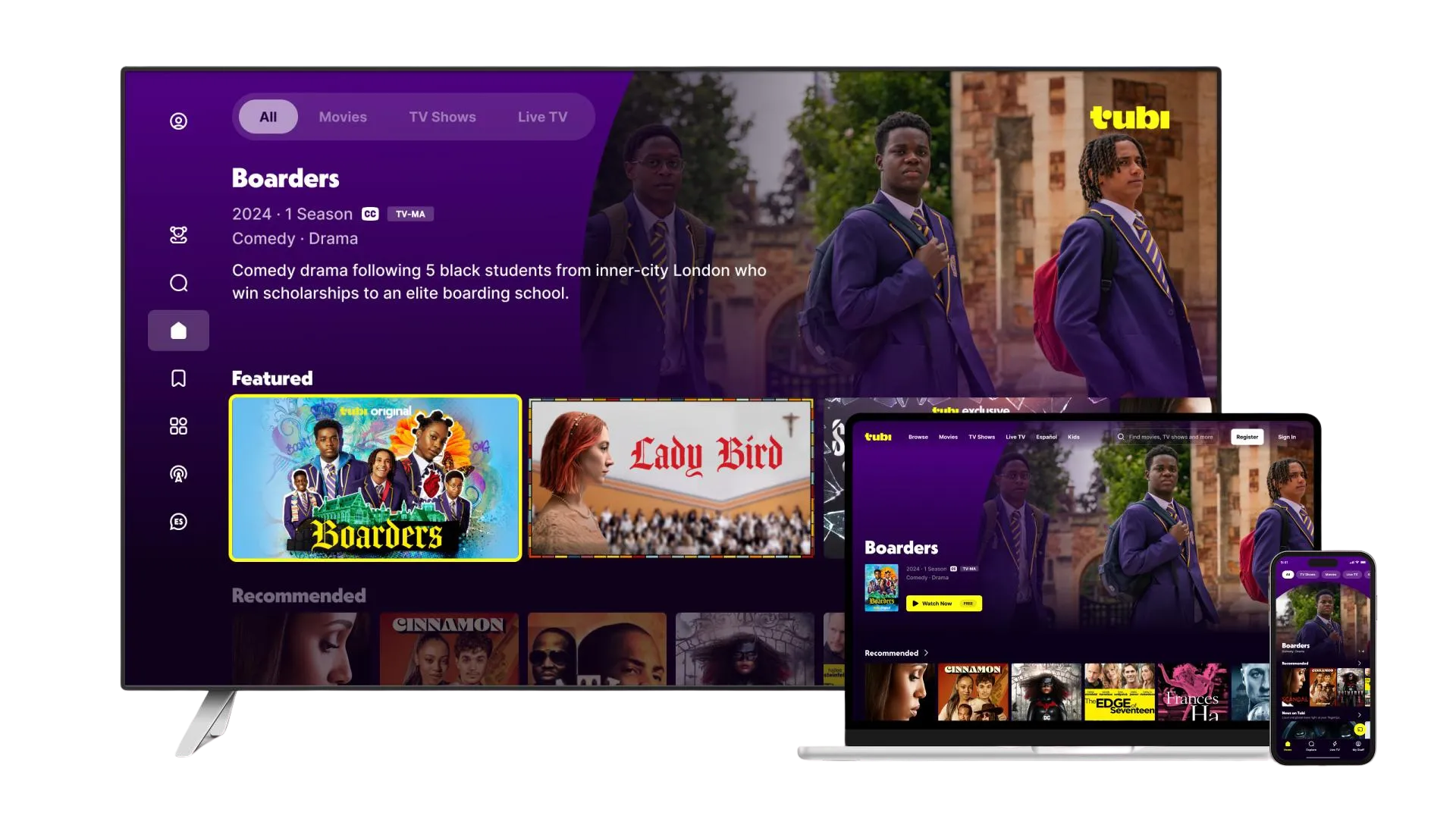
For many emerging Black filmmakers, including creators from across the global diaspora, Tubi has functioned as a first point of entry into scaled audience exposure. It has helped audiences discover independent films, regional stories, genre films, faith-based work, urban dramas, relationship stories, documentaries, and culturally specific narratives that may have otherwise remained outside mainstream visibility.
Tubi did not simply host content. It helped train audiences to watch beyond the traditional gatekeeping system.
At the same time, Black-owned platforms like Mansa represent another critical layer of the ecosystem: intentional curation, cultural ownership, and narrative control. Where platforms like Tubi offer access at scale, platforms like Mansa point toward the importance of ownership, community, and long-term infrastructure.
Together, these platforms signal an important shift.
Access is expanding.
Gatekeeping is loosening.
But ownership, positioning, and strategy still matter.
Streaming Changed Access—but Not the Whole System
The streaming revolution disrupted traditional gatekeeping. Platforms such as Netflix, Amazon, Hulu, Max, Disney+, Tubi, and culturally focused platforms created new pathways for diverse creators to reach global audiences.
Projects that may once have struggled to secure wide theatrical distribution found life online. Audiences discovered stories across borders. Data began to confirm what communities already knew: diverse stories drive engagement, loyalty, conversation, and cultural relevance.
But streaming did not solve the equity problem.
Black filmmakers still face disproportionate barriers to financing, marketing support, ownership, awards recognition, and long-term IP control. Visibility is not the same as power. Distribution is not the same as ownership. A greenlight is not the same as infrastructure.
That is why the next evolution of film must address not only content — but capital.
Data began to confirm what communities already knew: diverse stories drive engagement, loyalty, conversation, and cultural relevance.
Web3, AI, and the Democratization of Film Fundraising
The emerging opportunity is not simply to make more Black films. The opportunity is to build better systems around them.
Web3, when responsibly structured, offers filmmakers new ways to cultivate audience participation, reward early supporters, build gated communities, activate digital collectibles, and create community-backed funding layers. It allows creators to build audience alignment before release and to demonstrate demand earlier in the financing process—something traditional models often require at scale before access is granted.
In a marketplace where Black films consistently prove commercial value yet still struggle to secure equitable funding, the issue is no longer audience demand….it is infrastructure.
Nea Simone
AI is also beginning to shift the playing field. Used strategically, it can reduce costs across development, research, pitch materials, audience mapping, campaign testing, workflow, localization, and investor-facing packaging. For undercapitalized filmmakers, those efficiencies are not incremental—they are enabling.
This shift is not theoretical.
As explored in NOW PLAYING: From Script to Screen — Web3 Film Funding Playbook, Vol. 1, the future of film is not defined by who gets financed, but by who builds the systems that determine what is financeable in the first place.
This includes:
- Building audience ecosystems prior to greenlight
- Structuring participation models that reward early supporters
- Leveraging digital tools to validate demand before full capital deployment
- Creating pathways for ownership, not just visibility
These tools are not a shortcut. They do not replace legal structure, compliance, craft, professional production, experienced marketing, or distribution strategy.
But they do shift leverage.
They allow independent filmmakers—particularly Black creators who have historically been underfunded despite proven audience demand—to move with more speed, more intelligence, and more control over how their stories are financed, positioned, and brought to market.
Because the question is no longer whether the audience exists.
The question is whether the infrastructure will evolve to meet them.
Representation as Strategy, Not Trend
For studios, streamers, brands, investors, and media companies, the rise of Black storytelling signals more than a cultural moment.
It is a strategic imperative.
Audiences are increasingly discerning. They know when culture is being borrowed, flattened, or performed. They respond to specificity, authenticity, and lived texture. The strongest campaigns do not simply “include” Black audiences; they understand the cultural codes, emotional drivers, community conversations, and global connections that shape how stories travel.
Representation is not a trend.
It is market intelligence.
It is brand equity.
It is audience strategy.
And when handled with care, it becomes long-term value creation.
What This Means for Media Marketing
For companies like Bespoke Media Marketing, the implications are clear.
Cultural intelligence is now a competitive advantage. Understanding diverse audiences is not a soft skill; it is central to positioning, messaging, partnerships, and market entry.
Audiences reward stories and campaigns that move beyond performative inclusion and toward meaningful connection.
Authenticity drives engagement. Audiences reward stories and campaigns that move beyond performative inclusion and toward meaningful connection.
Capital strategy and marketing strategy must be connected. A film’s ability to attract audiences, partners, press, investors, and distributors begins long before release.
Distribution strategy must be expansive. The pathway may include theatrical, festivals, AVOD, SVOD, FAST channels, culturally specific platforms, direct-to-community models, or Web3-enabled audience participation. The strongest strategies understand the difference between visibility, access, ownership, and long-term value.
Inclusive content ecosystems must be built by design. From development to financing, from packaging to distribution, from community engagement to global campaign strategy, diversity must be embedded into the architecture — not added after the fact.
In closing….
The evolution of film is not just about technology, platforms, or distribution windows.
It is about power.
It is about perspective.
It is about participation.
The future of film will not be decided solely by who gets greenlit, but by who builds the systems that determine what gets made in the first place.
Black storytelling is not emerging.
It is not trending.
It is restructuring the economics, expectations, and global flow of the film industry in real time.
The only question is no longer whether the industry will recognize it—
but who will move early enough to benefit from it.
About Nea Simone
Nea Simone is the Founder and CEO of Bespoke Media Marketing, a multicultural film and television marketing consultancy specializing in cultural intelligence, audience strategy, capital alignment, and global market positioning.
She is the author of NOW PLAYING: From Script to Screen — Web3 Film Funding Playbook, Vol. 1, which explores new models of film financing, audience participation, and creator ownership.
Through BMM, Simone helps creators and media companies connect story, audience, capital, and distribution strategy for culturally specific projects built for global resonance.